
Rising housing costs in North America have become a pressing issue, significantly affecting individual finances. As property prices and rental rates soar, many find themselves grappling with the financial implications.
Housing affordability is a major concern, and its impact extends far beyond simply struggling to make monthly payments. To fully understand the ramifications, let’s delve into how escalating real estate expenses influence financial well-being and the broader economy.
Understanding the inflation of living expenses
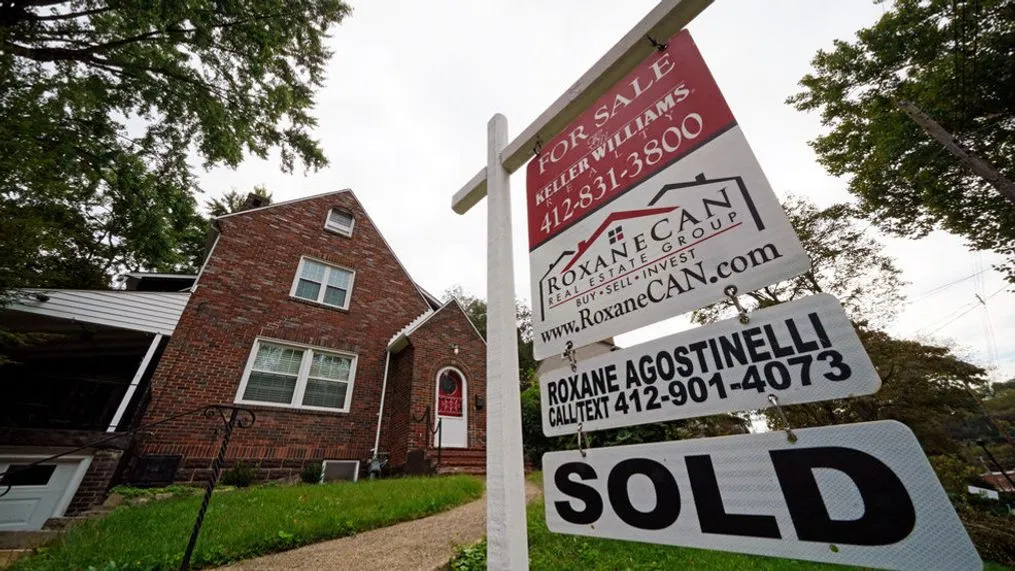
The inflation of living expenses is a multifaceted challenge driven by several factors. In North America, the demand for housing has outstripped supply, pushing real estate values to record highs. This imbalance stems from a combination of population growth, urbanization, and limited new construction.
High interest rates have also contributed, making mortgages more expensive and reducing affordability for first-time buyers and renters. As housing costs climb, disposable income available for other necessities and discretionary spending decreases.
Families feel the strain as they’re forced to allocate a larger portion of their budget to shelter, leaving less room for savings or investments. This shift not only impacts household stability but can also influence economic growth as consumer spending diminishes.
The role of limited housing supply
A significant factor contributing to the surging cost of accommodation is the constrained supply of homes. In many urban centers, the number of new properties developed has not met the increasing demand. Factors such as stringent zoning laws, high construction costs, and lengthy permitting processes complicate the situation, making it challenging to expand housing availability.
Limited supply creates a competitive market where prices are driven up, as multiple buyers or tenants vie for the same property. This competition can lead to bidding wars in real estate markets, pushing prices beyond what many can afford. As a result, potential homeowners and tenants face significant barriers to securing affordable housing choices.
Interest rates and financing challenges
Interest rates play a crucial role in the affordability of housing. With central banks adjusting rates to control inflation, borrowing costs can fluctuate, influencing housing affordability. High-interest rates increase the monthly payments for new mortgages, deterring potential homebuyers, especially first-time purchasers.
When individuals can’t secure affordable financing, they may choose to remain in rental properties longer, contributing to increased demand in the rental market. This dynamic causes rental prices to remain elevated, further straining financial resources for those not in a position to buy.
Impacts of escalating accommodation expenses on broader economic stability
The repercussions of escalating accommodation expenses extend well beyond individual households, affecting broader economic stability. High housing costs can lead to increased geographic immobility, as individuals are less likely to move for job opportunities when relocation entails higher costs.
This immobility can lead to labor market inefficiencies, with mismatches between job vacancies and available workers in different regions. Companies face challenges in recruiting talent, potentially stalling business growth and innovation.
In turn, this can impact GDP growth and overall economic performance. Additionally, when households allocate a larger portion of their income to housing, their ability to save and invest diminishes. Reduced savings rates can lead to lower capital accumulation, limiting investment in businesses and infrastructure, and ultimately affecting economic expansion.
The social implications of housing affordability
Beyond economic implications, the social consequences of unaffordable housing are significant. When families are burdened by high costs, stress and mental health issues can arise, impacting quality of life. The struggle to meet basic living needs can lead to strained relationships and reduced community engagement.
Furthermore, housing instability can affect children’s educational outcomes by causing frequent relocations and disruptions in schooling. As education is a key driver for future opportunities, this can perpetuate cycles of poverty and limit social mobility for future generations.
The social fabric of communities is also at risk, as rising costs can drive people from neighborhoods where they have familial or cultural ties, changing the character and diversity of those areas. These dynamics underscore the need for comprehensive approaches to address the root causes of housing unaffordability.
Potential solutions for a more balanced market
Addressing the challenges posed by rising housing costs requires a multifaceted approach. Governments play a pivotal role by implementing policies that encourage development and streamline construction processes.
Incentives for builders, such as tax breaks or grants, can help stimulate the increased supply of housing options. Financial institutions can contribute by offering innovative mortgage products that cater to first-time buyers or individuals with lower incomes. Flexible terms and interest rate options could make homeownership more attainable and reduce the burden on prospective buyers.
Collaboratively, stakeholders can work to enhance public transportation systems, making more areas accessible and reducing pressure on urban centers. These efforts, combined with targeted financial education and support programs, can foster a more balanced and sustainable housing market that benefits all segments of society.
