
The Federal Reserve and the Bank of Canada play pivotal roles in shaping the economic landscapes of their respective countries. These central banks are influential in financial markets through their monetary policies, interest rate decisions, and financial regulations.
By understanding how the Federal Reserve and the Bank of Canada influence financial markets, investors and policymakers can better anticipate economic shifts and make informed decisions. Both institutions use a variety of tools to implement their policies, impacting everything from inflation and employment rates to mortgage rates and investment returns.
Their actions have both immediate and long-term effects on financial markets. Through careful monitoring of these agencies, stakeholders can gauge economic health and predict market trends.
The role of central banks
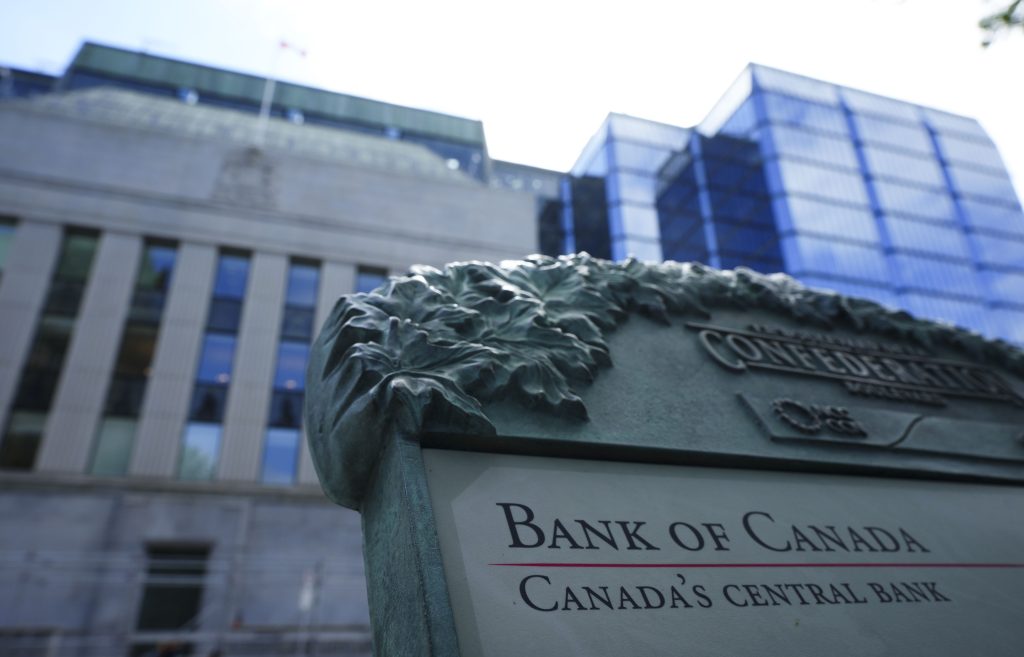
Central banks, such as the Federal Reserve and the Bank of Canada, are the cornerstone of their national economies. These organizations oversee monetary policy, aiming to foster economic stability and growth. They use tools like interest rates and asset purchases to influence liquidity in financial markets. Essentially, they manage the money supply to achieve set economic goals.
Another critical function is serving as a lender of last resort to prevent bankruptcies that could lead to broader economic problems. In times of crises, these central banks can inject liquidity to stabilize financial systems. This role underscores their importance in sustaining investor confidence and market integrity.
Interest rate decisions
One of the most direct ways the Federal Reserve and the Bank of Canada impact markets is through setting interest rates. These rates dictate the cost of borrowing money, influencing consumer spending, business investments, and overall economic activity. Lowering rates generally stimulates growth by making loans cheaper, while raising rates can cool an overheated economy.
These decisions are often based on current economic conditions and future forecasts. For instance, if inflation is rising, a central bank might increase interest rates to slow spending and reduce price pressures. Conversely, in a downturn, lower rates encourage borrowing and investment, driving economic recovery.
Open market operations
Open market operations are another vital mechanism used by these central banks to regulate money supply and influence financial conditions. Through buying or selling government securities, they can control the amount of money circulating in the economy. This process directly affects interest rates and availability of credit.
For example, when the Federal Reserve buys government bonds, it increases the money supply, lowering interest rates and encouraging lending and investment. Conversely, selling bonds can tighten money supply, raise rates, and slow down economic activity. These operations are crucial for maintaining economic equilibrium.
Impact on financial markets
The influence of the Federal Reserve and the Bank of Canada extends beyond macroeconomic indicators to directly affecting financial markets. Stock markets, bond prices, and currency exchange rates are highly sensitive to their policy changes and announcements. Even minor hints of policy shifts can trigger significant market movements.
For instance, a sudden hike in interest rates can lead to a sell-off in the stock market as borrowing costs rise and corporate profits may suffer. Similarly, bond markets react to changes in interest rates due to the inverse relationship between bond prices and yields. These market reactions underscore the significant sway these institutions hold.
Forward guidance
Forward guidance is a communication strategy used by central banks to provide insights into their future policy intentions. By signaling their plans, they can influence market expectations and behavior without immediately changing monetary policy. This tool is especially vital in managing investor and consumer expectations.
Effective forward guidance can help anchor inflation expectations, reduce economic uncertainty, and provide a more predictable economic environment. An example is when central banks commit to keeping interest rates low until certain economic conditions are met, providing confidence to investors and consumers alike.
Quantitative easing
Quantitative easing (QE) is a non-traditional monetary policy used by central banks to stimulate the economy when conventional methods, like lowering interest rates, are no longer effective. Through QE, central banks purchase financial assets from the market, increasing the money supply and encouraging lending and investment.
This policy can lead to lower long-term interest rates, increased asset prices, and improved liquidity in financial markets. Both the Federal Reserve and the Bank of Canada have employed QE during financial crises to stabilize markets and support economic recovery. The effectiveness of QE highlights the significant influence these central banks wield over financial markets.
