
In regions prone to natural disasters, property insurance serves as a crucial safety net for homeowners. Without adequate coverage, the financial burden of repairing or rebuilding a home after a disaster can be overwhelming. This type of insurance is especially important for those living in vulnerable areas in the United States and Canada.
A comprehensive property insurance policy can mean the difference between a swift recovery and years of financial hardship. Understanding the importance of this coverage is key to protecting one’s most valuable asset: the home.
The role of property insurance in high-risk areas
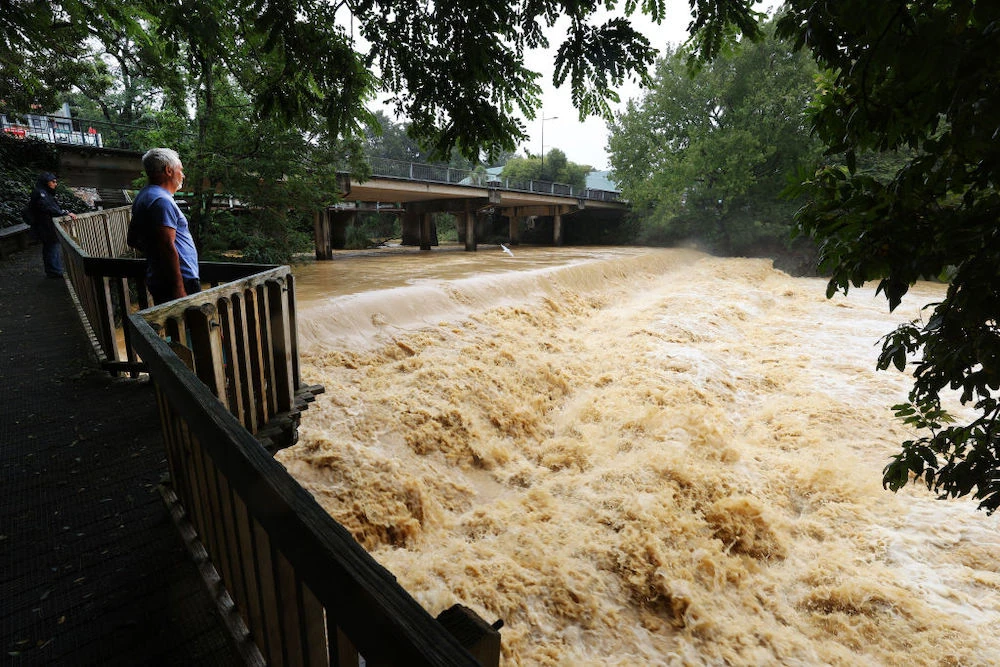
For individuals residing in regions easily affected by natural calamities, property insurance is not just a luxury—it’s a necessity. This form of coverage provides peace of mind and financial security in the face of unforeseen events like hurricanes, floods, wildfires, and earthquakes.
The lingering effects of these disasters can be devastating, both emotionally and economically. Over time, having a sturdy insurance policy ensures that homeowners can rebuild their lives without sinking into financial despair. Insurance policies are tailored to cater to various kinds of natural catastrophes, offering specialized coverage based on geographical risks.
For example, someone living along the Gulf Coast would require specific hurricane coverage, while a homeowner in a wildfire-prone area may need additional fire damage protection. This customization is essential in guaranteeing that the insured property is protected against the unique risks it faces.
Understanding coverage options
When considering property insurance, it’s vital to understand the different types of coverage available. Standard policies generally cover common risks such as fire and theft, but may not include protection against specific natural disasters. For this reason, homeowners in high-risk areas should consider additional coverage known as endorsements or riders.
It’s also worth noting that the cost of these insurance policies can vary significantly based on location, the home’s value, and the type of coverage selected. Factors such as the history of natural disasters in the area and the presence of safety features in the home can affect premiums. A detailed assessment of these elements can help homeowners make informed decisions about the level of coverage they need.
The claims process and what to expect
Filing an insurance claim after a disaster can be a daunting process, especially when dealing with the emotional aftermath. Knowing what to expect can alleviate some of this stress. The first step typically involves contacting the insurance provider immediately after the event to report the damage. It’s crucial to provide detailed information and, if possible, photographic evidence of the losses sustained.
After the initial report, an adjuster will be assigned to assess the damage and determine the appropriate amount for the claim. This assessment will influence the final payout, which will depend on the policy’s terms and the extent of the coverage. Being thorough in documenting and presenting the evidence can expedite this process and ensure a fair assessment.
Long-term benefits of property insurance
Investing in property insurance offers benefits that extend far beyond immediate disaster recovery. Over the long term, this coverage reinforces financial stability and peace of mind. Knowing that one’s home and investments are protected enables homeowners to focus on other important aspects of life without living in constant fear of potential damage.
Moreover, property insurance can increase the value of the home. Potential buyers are often more interested in properties that come with comprehensive insurance coverage, recognizing the added security it provides. This added value can be a significant advantage in a competitive real estate market where safety and reliability are top concerns.
Community and economic impact
The benefits of property insurance extend beyond individual homeowners to the broader community and economy. When properties are quickly restored and rebuilt, the local economy can recover more rapidly from the adverse effects of natural disasters. Businesses can reopen, jobs can be preserved, and normalcy can return much sooner compared to areas lacking adequate coverage.
Communities where property insurance is widespread tend to be more resilient, as the financial burden of disaster recovery does not fall solely on government assistance or charitable organizations. This resilience fosters a stronger, more stable environment where residents can thrive despite the potential for natural calamities.
Encouraging awareness and education
One of the critical aspects of promoting property insurance in disaster-prone regions is increasing awareness and education. Many homeowners may not fully understand the specifics of their local risks or how to adequately insure their properties against these threats. Educational initiatives by insurers, community organizations, and government agencies play an essential role in bridging this knowledge gap.
Workshops, informational campaigns, and online resources can help homeowners make informed decisions about insurance coverage. These efforts should emphasize the importance of customized policies that reflect the specific dangers of their region. Ensuring that residents comprehend the long-term benefits of adequate coverage can lead to higher insurance uptake rates.
