
In the ever-changing financial landscapes of the United States and Canada, the significance of having an emergency reserve cannot be overstated. Unexpected financial crises, whether stemming from sudden job loss, medical emergencies, or unforeseen car repairs, can strike at any moment.
This financial cushion provides peace of mind, ensuring that individuals can manage both routine and extraordinary financial demands without undue hardship. Understanding the principles of building and maintaining an emergency fund is essential for fostering long-term financial stability and resilience.
Understanding the importance of an emergency reserve
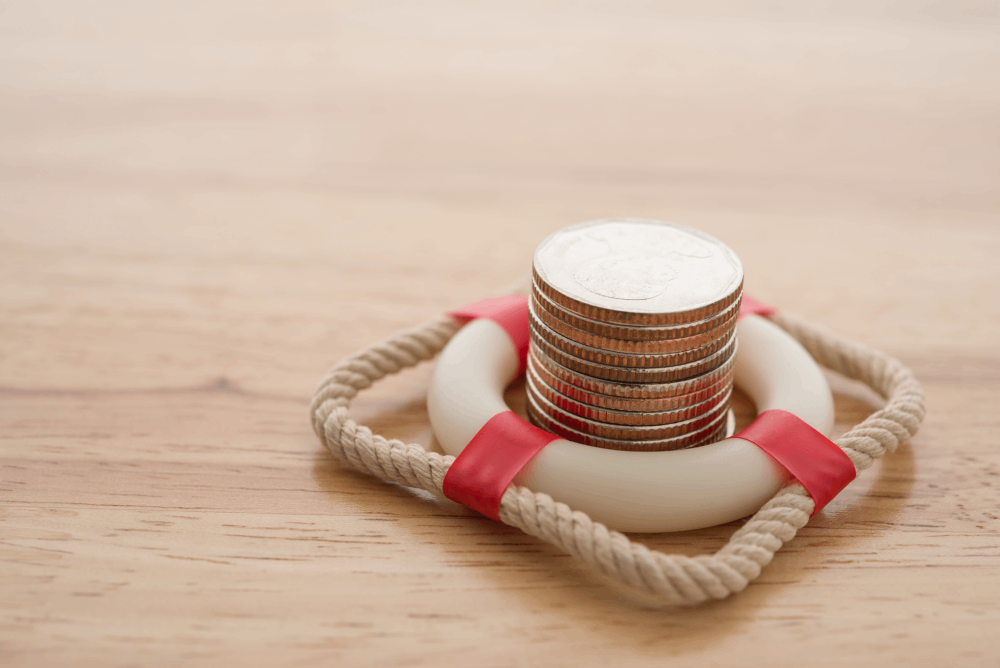
Hence, in the United States and Canada, people can be faced with an unplanned financial situation at any given time. An emergency fund can be understood as a safety cushion representing readily available cash, eliminating debts at high interest, as well as stress. Consequently, in the situation of financial emergency, for instance, an illness, car breakdown, or even job loss, you may be financially stressed.
Just think about the situation where suddenly one day you are out of your job. It becomes difficult to budget for day to day expenses when contingency reserve is not available. It is this financial safety net for a person so they can get through such rough periods with less stress. In this case, it is rather comforting to know that the money is nearby and you can easily pull from savings to deal with everyday or extraordinary situations.
Assessing your financial needs
The first part when saving for the emergency fund is to identify the needs of a family or a person. It is recommended to estimate your monthly expenditures based on rent/utilities, food, and transportation. In the U. S. and Canada, this figure will be, however, lifestyle, geographical area, and family size dependent. Having a vision of the expenses that a person makes every month assists them in estimating a reasonable amount to save each month.
This one is typically suggested by financial advisors as the general rule now is to save enough for emergencies, which is a certain period’s worth of your spending, typically 3-6 month’s worth. This span provides adequate time in looking for a new job or while in the process of covering for some emergent costs. Yet if a person is in the fluctuating income category or has a higher likelihood of becoming unemployed, trying to have a safety net of six to twelve months would be beneficial.
Savings account basics
Type of savings account also plays a vital role when you are deciding your emergency fund to be set up. Choose a high yield savings account or a money market account because they pay higher interest than the basic savings accounts. There, it is quite easy to obtain an account designed for emergency funds, as many banks and credit union in both the U. S. and Canada offer such accounts with low charges and convenient and quick access.
To avoid spending the emergency money without realizing it, it is recommended that the fund be placed in a distinct account from the checking account. By having different accounts one can easily administer the monetary aspect of his or her life and he or she can easily identify and differentiate between the money needed for an emergency fund and the money needed for other projects. Avoid accounts with or with low costs of transfer and easy access to the Cash-in when there is an emergency.
How to establish and sustain your emergent fund
Thus, after the foundations have been laid correctly, hone your efforts on constantly funding your scheme. It may be a term, a week, or a month but to have a proper method, make sure that the emergency savings are as consistent as other basic needs such as bills. It is always advisable to begin by setting a tiny portion of the income to be saved and then scale it up to the next level depending on the income one garners.
This is can be made easier by automating your savings to various goals thought out the year. Pay into your separate emergency fund through electronic transfers such as through payrolls to the account. This way, it is possible not to miss some contributions to the general amount thus reaching the set goal faster. It is a small step which in the long run can greatly affect the rest of the aspects of your financial life.
Replenishing the fund
Situations are unforeseen and there will always come a time when one will have to use the savings. When you have used at least a segment of your fund, it is important that you replace it as early as you can. Gather more funds to work on the rebuilding much faster and free some cash from your budget temporarily.
Any additional income including received taxes rebates, bonuses, or monetary gifts should also be used to help build the emergency fund. Transferring these funds to your savings account means that you can rebuild your savings fund in no time. Ensuring that this replenishment receives a priority means that you will be ready to face any other incidences of fund outgoings.
