
When managing personal finances, many Americans face a choice between using a debit card or a credit card for their daily transactions. Both have unique benefits and drawbacks that can impact one’s financial health differently.
To make the best decision, it’s essential to understand how each type of card functions and what kind of spending habits one maintains. This article will delve into the differences between debit and credit cards, exploring the advantages and disadvantages of each, to help you decide which option aligns with your financial goals.
Understanding debit cards
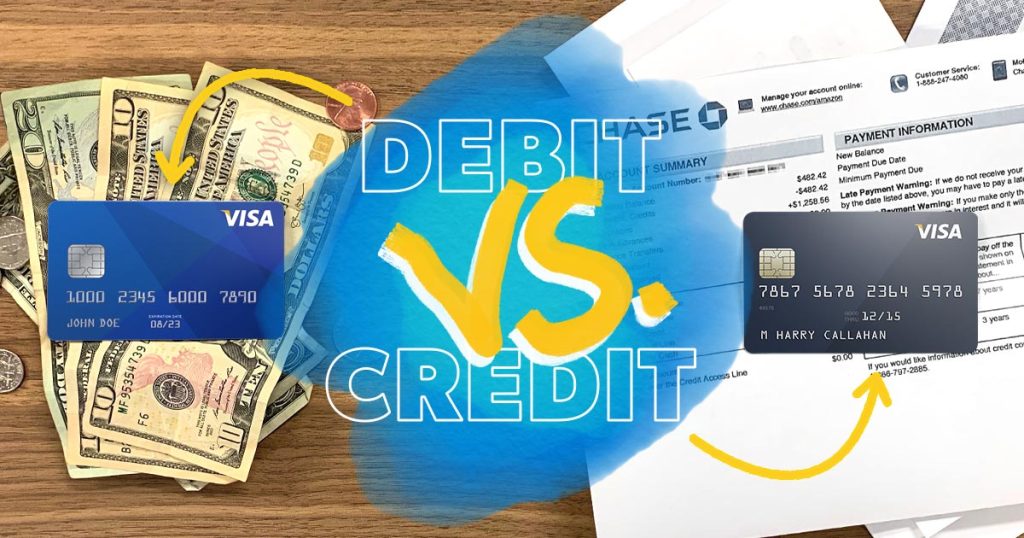
A debit card is a payment card that withdraws money directly from your checking account when you make a purchase. This means you can only spend the funds that are currently available in your bank account.
One major advantage of debit cards is they help you avoid debt, as you cannot spend more money than you have. Also, there are typically no annual fees associated with them. However, debit cards have limitations.
They do not build your credit score and often offer fewer fraud protections compared to credit cards. If unauthorized transactions occur, recovering your money can be more challenging. Additionally, some banks impose daily spending limits on debit cards, which can be inconvenient for larger purchases.
Pros of using debit cards
One of the biggest benefits of using a debit card is its simplicity. Transactions are straightforward, as the money automatically gets deducted from your bank account. This helps in maintaining a budget and keeps you from overspending.
Moreover, debit cards are a practical solution for those who have difficulty managing credit, as they prevent accumulating debt. They are also widely accepted and can be used for online shopping, bill payments, and even ATM withdrawals, making them very versatile. Finally, overdraft protection can help avoid expensive fees if you’re careful.
Cons of using debit cards
On the flip side, debit cards come with certain risks and limitations. They do not contribute to your credit history, so using them cannot help you build a good credit score, which is crucial for securing loans or mortgages in the future.
Another downside is the possibility of higher fees for transactions or ATM use, especially if you use an out-of-network machine. Furthermore, debit cards often come with fewer rewards programs or cashback options compared to credit cards. The fraud protection on debit cards can also be less robust, leading to potential financial losses if your card is compromised.
Unpacking credit cards
Credit cards allow you to borrow money up to a certain limit for purchases, with the promise to repay it later, usually with interest if not paid off in full each month. This can be incredibly beneficial for building credit history, as responsible usage demonstrates to credit bureaus that you can handle borrowed funds effectively.
On the downside, credit cards can lead to significant debt if not managed properly. High-interest rates on unpaid balances can accumulate, making it hard to pay off the principal amount. Despite the risk, credit cards offer enhanced consumer protection against fraud and additional benefits like rewards points, travel miles, and purchase protection.
Benefits of credit cards
Credit cards provide a host of financial perks that are hard to ignore. Many cards come with rewards programs, offering points, cashback, or travel miles for every dollar spent. These benefits can accumulate over time, providing value to cardholders.
Another significant advantage is fraud protection. Credit card companies often offer zero-liability policies, meaning you are not held responsible for unauthorized charges. Additionally, credit cards help build your credit history, crucial for securing loans at better interest rates in the future. They also provide purchase protection and extended warranties, which can be extremely helpful for big-ticket items.
Drawbacks of credit cards
Despite their benefits, credit cards also carry some risks, primarily the potential for debt. Interest rates on unpaid balances can be high, and missing payments can negatively impact your credit score. Another potential issue is the temptation to overspend.
With credit limits usually higher than the money in your bank account, it can be easy to accrue more debt than you can repay. Lastly, some credit cards come with high annual fees, late payment fees, and other charges that can add up quickly if you’re not careful.
Conclusion: Making the right choice
When deciding between a debit card and a credit card, consider your financial habits and goals. If you tend to overspend or prefer sticking to a strict budget, a debit card may be the safer choice. However, if you can manage credit responsibly and want to build a strong credit history, a credit card might be more advantageous.
